When Bipolar Disorder Includes Psychotic Features: Signs and Care
Living with bipolar disorder can be challenging on its own, but when psychotic symptoms emerge, the experience becomes far more complex. In Florida, individuals and families seeking answers about mood disorders often encounter terms like “bipolar disorder with psychotic features.” Early recognition and access to appropriate support may play an important role in managing the condition. For those looking for reputable resources within the state, the company URP Behavioral Health psychotic features bipolar offers valuable guidance on this intricate condition, helping Florida residents better understand the signs, symptoms, and available treatments.
Recognizing Psychotic Features in Bipolar Disorder: Key Signs for Florida Residents
Bipolar disorder is defined by dramatic shifts in mood, ranging from manic highs to depressive lows. However, in certain cases, psychotic features such as hallucinations or delusions appear alongside mood episodes, complicating both diagnosis and care. Floridians should note that these symptoms do not occur independently; they are always tied to either a manic or depressive state.
Hallucinations involve perceiving things that are not present—hearing voices or seeing images that others do not. Delusions are false beliefs, often fixed and resistant to logic, such as thinking one possesses special powers during a manic episode or feeling persecuted in a depressive phase. Importantly, these psychotic symptoms mirror the mood state: grandiosity aligns with mania, while themes of guilt or illness accompany depression.
Recognizing the intersection of mood symptoms and psychosis is crucial. Families might observe changes in sleep, rapid speech, disorganized thinking, withdrawal, or difficulty distinguishing reality. In Florida, increased awareness of these signs can prompt earlier intervention and prevent crises. Primary care providers, counselors, and mental health professionals in the region frequently encounter patients whose symptoms go unnoticed until severe impairment occurs. In some cases, timely identification of symptoms may support better understanding and access to appropriate care resources.
The Importance of Specialized Bipolar and Psychosis Care in Florida
Treating bipolar disorder with psychotic features requires expertise in both mood and psychotic disorders—not just one or the other. In the Florida region, mental health treatment centers with a multidisciplinary team offer the most comprehensive support. These centers integrate psychiatry, psychology, counseling, and social services, tailoring each plan to the patient’s needs and cultural background.
Assessment begins with a thorough evaluation of mood history, psychotic episodes, and medical background. Correctly distinguishing bipolar psychosis from primary psychotic disorders like schizophrenia ensures precise treatment. Misdiagnosis can lead to ineffective care, unnecessary medications, or increased risks of hospitalization.
In some treatment plans, medications such as mood stabilizers, atypical antipsychotics, or antidepressants may be considered, depending on individual needs and under clinical supervision. In addition, psychotherapy—such as cognitive behavioral therapy and family-focused therapy—equips individuals with skills to manage triggers, adhere to treatment, and engage in healthy routines. Education for both patients and family members promotes understanding and reduces the stigma still present in many Florida communities.

Continuity of care is another critical factor. Florida’s mental health services often provide coordinated follow-up, crisis response planning, and case management. Access to supportive environments, peer groups, and community resources enhances recovery. Individuals living in the state should seek centers that offer integrated care and a track record of expertise in dual-diagnosis management.
Some providers in Florida, such as URP Behavioral Health, offer programs that address both mood and psychotic symptoms as part of a comprehensive care approach. Their programs combine medical, psychological, and social interventions, setting a high standard for mental health treatment in the region.
Reducing Barriers: Insurance, Accessibility, and Community Support
One persistent challenge for individuals and families is navigating insurance coverage and identifying accessible care. Florida’s diverse population means that treatment must also be culturally responsive and geographically convenient. Centers that accept a wide variety of insurance plans—including both public and private options—help reduce financial barriers.
Peer support and family involvement are vital, fostering a sense of belonging and shared experience. Community education programs, support groups, and advocacy efforts further destigmatize mental illness. For many in Florida, understanding their rights and available resources empowers them to seek help before a crisis occurs.
Navigating Insurance and Treatment Access for Bipolar Disorder with Psychosis
Accessing specialized care in Florida often depends on understanding insurance options and identifying treatment centers that meet individual needs. Insurance coverage for mental health, particularly for complex conditions like bipolar disorder with psychotic features, varies widely. It can be challenging to determine which centers and programs will be covered and what services are included. The company URP Behavioral Health rehabs covered by highmark provides information about accepted insurance plans, helping families make informed decisions about care.
When evaluating treatment access, consider the following steps:
- Confirm diagnosis with a licensed mental health professional experienced in mood and psychotic disorders.
- Identify local treatment centers specializing in co-occurring mood and psychotic disorders.
- Reach out to centers' admissions teams to clarify which insurance plans are accepted and which services are covered.
- Ask about telehealth and in-person options to accommodate different needs and locations within Florida.
- Utilize peer support or advocacy organizations for additional guidance and navigation assistance.
Thoughtful planning and advocacy may help improve access to appropriate and sustainable care options care for bipolar disorder when psychotic features present.
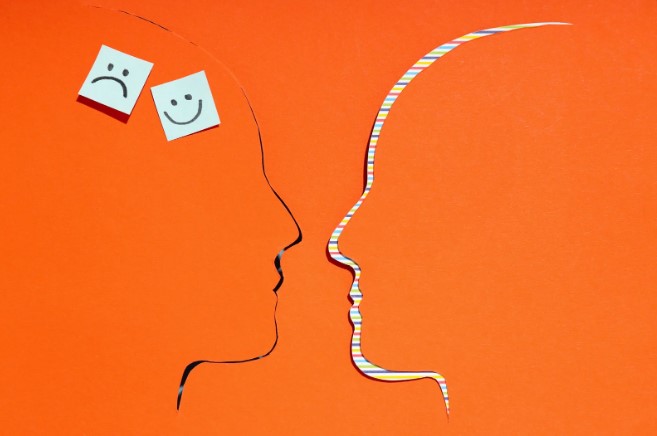
Building a Support Network for Recovery in Florida
Sustained recovery from bipolar disorder with psychotic features requires more than medication and therapy. Community, family, and social connections provide a foundation for resilience. In Florida, support groups, both in-person and virtual, are available through mental health organizations and treatment centers. These groups offer shared understanding, lessen feelings of isolation, and deliver practical coping strategies.
Family involvement is crucial. Loved ones can help individuals adhere to treatment, recognize early warning signs, and respond appropriately to crises. Education and family counseling foster open communication and strengthen relationships. Employers and schools in Florida are increasingly participating in accommodations and supportive practices, creating a more inclusive environment for those with mental health conditions.
For those seeking care, it’s helpful to develop an action plan. Establish routines, set goals for wellness, and communicate regularly with treatment providers. Engage with the local mental health community to stay informed about new programs, research, and advocacy initiatives relevant to bipolar disorder and psychosis. Leveraging these networks increases the likelihood of long-term stability and improved quality of life.
Looking Forward: Hope and Healing for Floridians Affected by Bipolar Disorder and Psychosis
Bipolar disorder with psychotic features presents complex challenges, but with expert care and dedicated support, some individuals in Florida may work toward sustained well-being with the right combination of support and care. Early recognition, appropriate intervention, and robust community resources may positively influence the individual care experience and long-term support. As mental health awareness grows and access to specialized services expands, more Floridians can look forward to a brighter, healthier future.